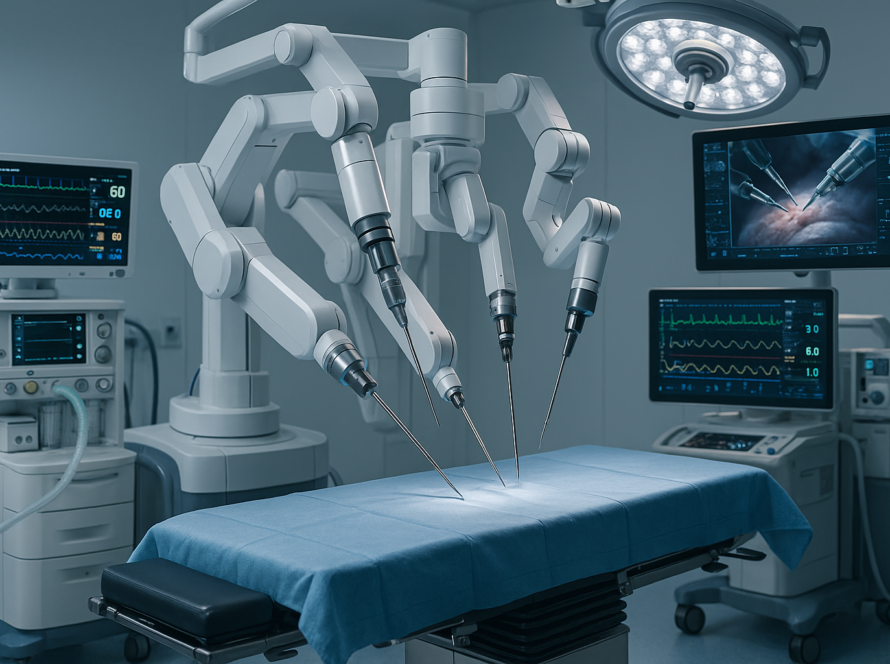
Innovation in medical technology is advancing rapidly, but adoption remains a critical challenge. Hospitals and clinicians often struggle to fully integrate new devices and digital solutions into everyday practice. The missing link is not technology—it is clinical support and training.
Successful MedTech adoption depends on how well healthcare professionals are equipped to use new tools safely, effectively, and consistently.
Why MedTech Adoption Often Falls Short
Despite significant investments in healthcare technology, adoption barriers persist. Common challenges include:
Insufficient hands-on training
Limited understanding of clinical workflows
Lack of real-time procedural support
Resistance to change due to risk concerns
Without addressing these issues, even the most advanced medical devices can remain underutilized.
Training as a Catalyst for Confidence
Training builds confidence, and confidence drives adoption. Structured education programs help clinicians understand not only how a device works, but why and when to use it.
Effective training programs include:
Therapy-area focused education
Simulation-based learning
Remote and digital learning modules
Continuous skill reinforcement
When clinicians feel supported, they are more likely to adopt and champion new technologies.
In-Hospital Support: Where Theory Meets Practice
In-hospital support plays a vital role during the early stages of technology adoption. Real-time assistance during procedures helps:
Reduce procedural risks
Improve technique consistency
Address unexpected challenges
Enhance patient safety
This hands-on support bridges the gap between classroom training and real-world application.
On-Call and Online Assistance
Healthcare operates around the clock, and support must do the same. On-call and online assistance ensures clinicians have access to expert guidance when they need it most.
Benefits include:
Faster issue resolution
Reduced downtime
Increased confidence during complex procedures
Continuous learning opportunities
Such support models reinforce trust and long-term engagement.
Building Long-Term Competency
Training should not be a one-time event. Continuous education helps healthcare teams stay updated with evolving technologies, clinical guidelines, and best practices.
Long-term competency development includes:
Periodic refresher programs
Updates on product enhancements
Knowledge sharing across institutions
Outcome-based learning models
This approach ensures sustained value from MedTech investments.
Impact on Patient Outcomes
Well-trained clinicians supported by strong clinical infrastructure deliver better outcomes. Benefits include:
Reduced procedural complications
Shorter procedure times
Improved recovery rates
Higher patient satisfaction
Ultimately, training and support translate into safer, more effective care.
Conclusion
MedTech adoption is not just about innovation—it is about enablement. Clinical training and support are essential to unlocking the full potential of medical technologies.
Organizations that prioritize education, partnership, and continuous support play a crucial role in advancing healthcare and improving patient outcomes.