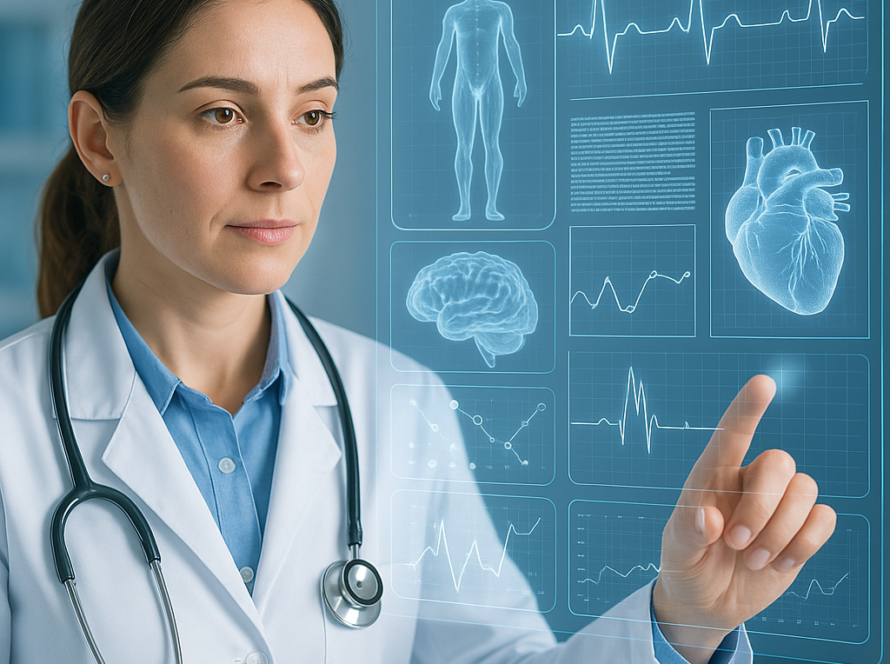
In today’s healthcare landscape, time is more than money—it is survival. The ability to move quickly from diagnosis to therapy can significantly impact patient outcomes, especially in critical and interventional care. As healthcare systems evolve, the integration of advanced medical devices, artificial intelligence, and clinical support models is becoming essential to closing gaps in care delivery.
At the heart of this transformation lies a simple goal: reducing delays, improving decision-making, and enabling clinicians to act with confidence.
The Growing Complexity of Diagnosis
Modern diagnostics are more sophisticated than ever before. Advanced imaging, data-driven insights, and digital tools offer unprecedented visibility into patient conditions. However, complexity can also slow decision-making if systems are not seamlessly integrated.
Healthcare providers often face challenges such as:
Fragmented diagnostic data
Lack of real-time clinical insights
Limited access to advanced technologies
Inconsistent training and adoption
Without the right support structure, even the best diagnostic tools may fail to translate into timely treatment.
Bridging the Gap Between Diagnosis and Therapy
The real challenge in healthcare is not innovation—it is implementation. Bridging the gap between diagnosis and therapy requires a combination of technology, training, and operational excellence.
Key enablers include:
Clinically validated medical devices
AI-assisted decision-support systems
Standardized treatment workflows
In-hospital and on-call clinical support
When these elements work together, healthcare teams can act faster, reduce variability, and improve patient safety.
Role of Medical Devices in Faster Interventions
Advanced medical devices play a critical role in interventional cardiology, neurosurgery, and critical care. Precision tools enable minimally invasive procedures, reduce recovery time, and enhance procedural success.
However, access alone is not enough. Successful outcomes depend on:
Proper device selection
Clinician training and confidence
Continuous technical and clinical support
Organizations that combine product excellence with education and support deliver better results at scale.
AI and Digital Healthcare as Accelerators
Artificial intelligence and digital healthcare solutions are redefining how clinicians interpret data and make decisions. AI-powered tools can:
Identify patterns in diagnostic data
Support early detection of complications
Optimize clinical workflows
Reduce cognitive load on clinicians
When integrated thoughtfully, these technologies help transform raw data into actionable insights—accelerating the journey from diagnosis to therapy.
Importance of Clinical Training and Support
One of the most overlooked factors in healthcare innovation is training. Even the most advanced technologies require skilled professionals to use them effectively.
Comprehensive clinical support models include:
On-site and remote training programs
In-hospital procedural support
On-call and online assistance
Continuous education on evolving best practices
These initiatives empower healthcare professionals to adopt new technologies safely and confidently.
A Collaborative Approach to Better Outcomes
Improving patient outcomes is not the responsibility of clinicians alone. It requires collaboration between hospitals, technology partners, and solution providers.
Organizations that act as long-term partners, rather than transactional vendors, contribute meaningfully to healthcare transformation by:
Understanding local clinical needs
Customizing support models
Aligning innovation with evidence-based practices
This collaborative approach ensures sustainable impact beyond individual procedures.
Conclusion
Accelerating the path from diagnosis to therapy is no longer optional—it is essential for modern healthcare systems. By combining advanced medical devices, AI-driven insights, and robust clinical support, healthcare providers can improve outcomes, reduce delays, and save lives.
The future of healthcare belongs to organizations that move beyond products and focus on integrated solutions that deliver real-world impact.